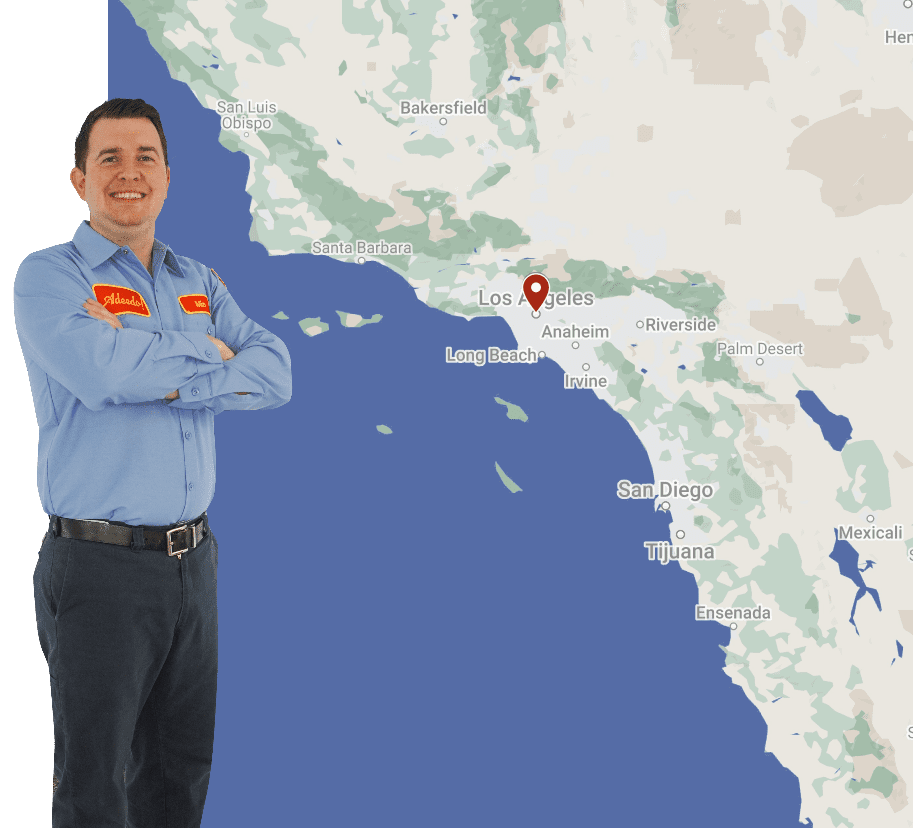

The Trusted Local Experts
Schedule your appointment today!
What you get from Adeedo:
Schedule your appointment today!







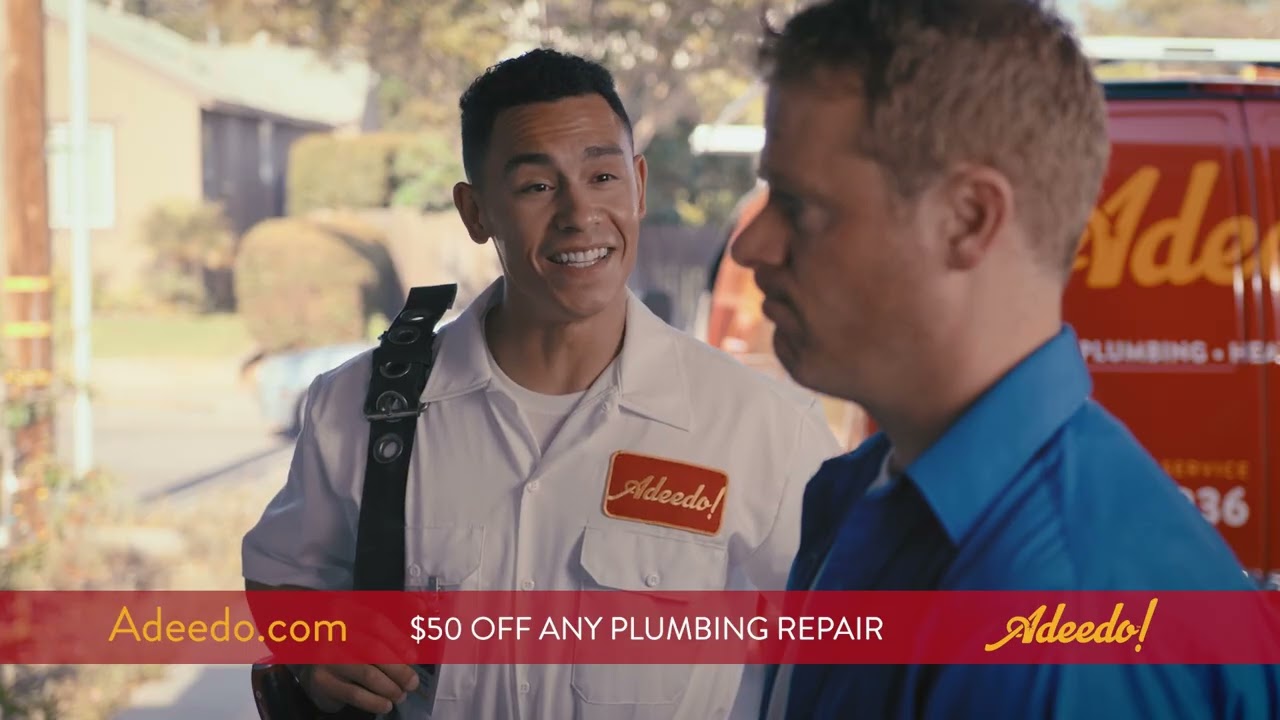
That constant drip isn’t just annoying—it’s a warning. A leaky faucet can waste hundreds of gallons of water a year and may indicate worn-out washers, corrosion, or even high water pressure. Left alone, it can lead to rising water bills and potential fixture damage.
When multiple fixtures suddenly experience low water pressure, it could point to pipe corrosion, hidden leaks, or blockages in your main water line. It’s best not to ignore this, as it could be a symptom of a much larger plumbing issue.
Brown spots on ceilings, musty odors, or visible mold growth often mean there’s a hidden leak in the walls or floors. These kinds of issues can lead to structural damage and even health risks if mold spreads—making timely plumbing repair essential.
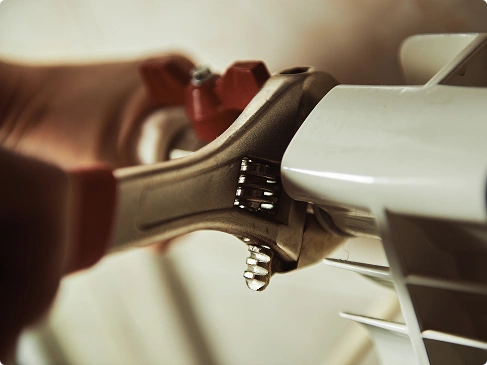
We recommend scheduling a plumbing inspection at least once a year, preferably before peak seasons like summer. This will address any wear and tear, ensuring your plumbing can handle the warmer months ahead and increased usage demands. Don’t put it off any longer – call (833) 936-1791 to schedule your annual plumbing inspection today!
A typical plumbing inspection with Adeedo covers faucet, pipe, water heater, drainage system, and outdoor spigot assessments. Our inspections can help detect leaks, clogs, or signs of wear that could escalate during summer activities like gardening or frequent dishwasher use.
Absolutely! Your outdoor plumbing, including garden hoses, sprinkler systems, and exterior faucets, are heavily used in the summer. A professional plumbing inspection with our experts will ensure there are no leaks or blockages that could waste water or cause damage to your yard.
Yes, it can! Our professional plumbing inspections identify any vulnerabilities in your drainage system. Fixing issues like clogged gutters or malfunctioning sump pumps will help prevent flooding and water damage during heavy Los Angeles, California summer rains.
It sure can! A plumbing inspection optimizes your water usage by addressing issues like leaks. This is particularly helpful during the summer when water costs rise due to increased activities such as lawn care and cooling.
A plumbing inspection is a comprehensive check of your home’s plumbing system that identifies any potential issues. During summer, increased water usage from activities like watering gardens, filling pools, or hosting outdoor gatherings can put a strain on your plumbing. A professional inspection helps ensure that your system is functioning efficiently, preventing costly surprises!